Indian Income Tax System
From ancient scriptures to the Income Tax Act 2025 — everything you need to understand the Indian Income Tax System in one place. Simple language, real examples, zero confusion.
Indian Income Tax System — What Is Income Tax?
Income tax is a direct tax levied by the Government of India on the income earned by individuals, businesses, and other entities during a financial year. It is the backbone of India's revenue collection and funds public services like roads, schools, hospitals, and defence.
Under the Indian Income Tax System, the principle is simple: the more you earn, the more you pay — but only after a certain threshold. This is called a progressive tax system, where tax rates increase as income increases, divided into ranges called "slabs."
Source: Income Tax Department of India — incometaxindia.gov.in




The 5 Heads of Income in the Indian Income Tax System
Every rupee you earn can be classified under one of five heads. Together, they form your Gross Total Income (GTI) on which income tax is calculated.
House Property
Rental income from property owned. Net Annual Value minus deductions is taxable.
Salary & Wages
Income from employment — basic pay, HRA, allowances, perquisites, bonuses.
Business/Profession
Profits from running a business or practising a profession like CA, doctor, lawyer.
Capital Gains
Profit from selling assets: stocks, mutual funds, property. Short-term vs long-term rates differ.
Other Sources
Dividends, bank interest, lottery winnings, gifts beyond ₹50,000, FD interest, etc.
Source: incometaxindia.gov.in | ClearTax India
History of the Indian Income Tax System — From Arthashastra to 2025
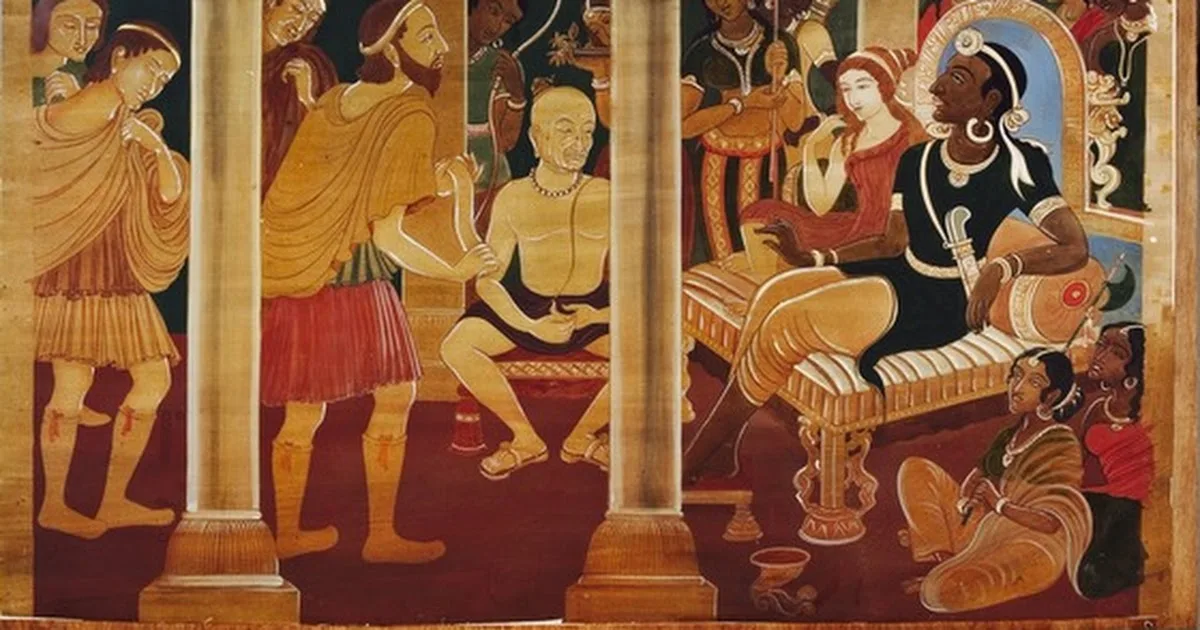
Did you know taxation in India existed thousands of years before the British arrived? The Indian Income Tax System has roots going back to ancient civilisations guided by scripture and statecraft.

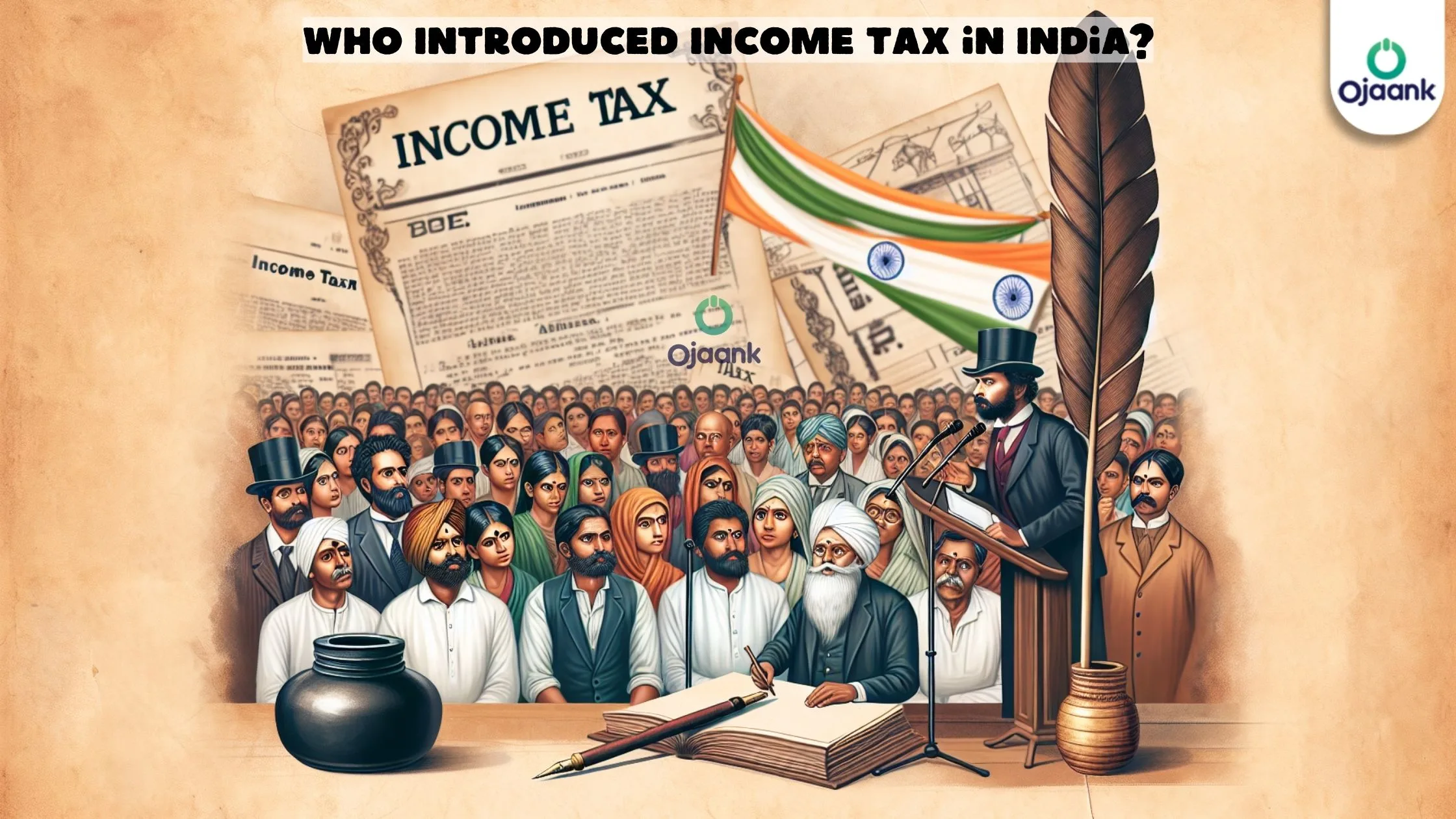
Sources: Income Tax Department India | The Legal School | Wikipedia — IT Act 2025
Who Governs the Indian Income Tax System?
The Indian Income Tax System is administered through a well-defined hierarchy. Understanding who governs it helps you know where to file, complain, or appeal.
Ministry of Finance
The apex body that sets tax policy and presents the Union Budget, which announces changes to income tax slabs and rates every year.
CBDT — Central Board of Direct Taxes
The statutory authority under the Ministry of Finance that administers Income Tax and Wealth Tax in India. It issues rules, circulars, and notifications under the IT Act.
Income Tax Department
The field organisation of CBDT. It is responsible for collecting direct taxes, processing returns, conducting assessments and audits across India.
Income Tax Officers (ITO)
Local assessing officers who handle individual taxpayer assessments, notices, and refunds at the jurisdictional level.
ITAT — Income Tax Appellate Tribunal
The second-level appellate body where taxpayers can challenge orders of the Commissioner of Income Tax (Appeals).
NFAC — National Faceless Assessment Centre
Introduced under IT Act 2025 to conduct assessments faceless and electronically, reducing officer-taxpayer interface and corruption.
Indian Income Tax System — Slab Rate History & Comparison
Tax slabs are ranges of income taxed at specific rates. Here's a comparison of the last three major slab revisions under the New Tax Regime — the default regime since FY 2023-24.
New Tax Regime — Slab Comparison: Last 3 Changes
| Income Slab (₹) | FY 2022-23 (AY 2023-24) |
FY 2023-24 (AY 2024-25) |
FY 2024-25 (AY 2025-26) |
FY 2025-26 ✦ Current (AY 2026-27) |
|---|---|---|---|---|
| Up to ₹2,50,000 | NIL | — | — | — |
| Up to ₹3,00,000 | — | NIL | NIL | — |
| Up to ₹4,00,000 | — | — | — | NIL |
| ₹3L – ₹5L / ₹4L – ₹8L | 5% | 5% | 5% | 5% |
| ₹5L – ₹7.5L / ₹8L – ₹12L | 10% | 10% | 10% | 10% |
| ₹7.5L – ₹10L / ₹12L – ₹16L | 15% | 15% | 15% | 15% |
| ₹10L – ₹12.5L / ₹16L – ₹20L | 20% | 20% | 20% | 20% |
| ₹12.5L – ₹15L / ₹20L – ₹24L | 25% | 25% | 25% | 25% |
| Above ₹15L / Above ₹24L | 30% | 30% | 30% | 30% |
| Basic Exemption Limit | ₹2.5 Lakh | ₹3 Lakh | ₹3 Lakh | ₹4 Lakh |
| Tax-Free Limit (Sec 87A) | ₹5 Lakh | ₹7 Lakh | ₹7 Lakh | ₹12 Lakh ✦ |
| Standard Deduction | Not available | ₹50,000 | ₹75,000 | ₹75,000 |
| Top Surcharge | 37% | 25% | 25% | 25% |
Sources: ClearTax Income Tax Slabs | SAG Infotech — Slab History | HDFC Life Tax Slabs
Old Tax Regime Slabs — FY 2025-26
The Old Regime still allows deductions under 80C, HRA, home loan interest, etc. Its slabs have remained unchanged for years.
| Income Slab | Below 60 yrs (Regular) | Senior Citizen (60–80 yrs) | Super Senior (Above 80 yrs) |
|---|---|---|---|
| Up to ₹2,50,000 | NIL | — | — |
| Up to ₹3,00,000 | — | NIL | — |
| Up to ₹5,00,000 | — | — | NIL |
| ₹2.5L – ₹5L | 5% | 5% | — |
| ₹3L – ₹5L | — | — | — |
| ₹5L – ₹10L | 20% | 20% | 20% |
| Above ₹10L | 30% | 30% | 30% |
| Advance Tax Exemption | No | Yes (no business income) | Yes |
The income tax slabs for women remain the same as for men under both regimes. India does not have gender-based differential tax slabs.
Sources: Income Tax Dept — Senior Citizens AY 2026-27 | ClearTax.in
Applicability of the Indian Income Tax System
The Indian Income Tax System applies to a variety of taxpayer categories. Understanding which category you fall under determines your applicable slab and available deductions.
Individual (Below 60 yrs)
All residents and non-residents earning above basic exemption. Women and men taxed at identical rates in both regimes.
Senior Citizen (60–79 yrs)
Higher exemption of ₹3L in Old Regime. No advance tax if no business income. Extra 80D deduction of ₹50,000 for health insurance.
Super Senior Citizen (80+ yrs)
Exemption of ₹5L in Old Regime. No advance tax. Deduction under 80DDB up to ₹1 lakh for serious illnesses. Cannot be compelled to file ITR-1 online.
HUF — Hindu Undivided Family
Taxed as a separate entity with the same slab rates as individuals. Has its own PAN, can claim deductions under Sec 80C independently.
Companies & LLPs
Domestic companies pay flat 22% (or 15% for new manufacturing). LLPs pay flat 30%. Different rules — slab system does not apply.
NRI — Non-Resident Indian
Taxed only on India-sourced income. Can choose Old or New regime. Super senior NRIs get ₹5L exemption under Old Regime only.
Sources: Bajaj Finserv — Income Tax Slabs | Tax2Win.in
Indian Income Tax System — How to Calculate Your Tax
Let's make the Indian Income Tax System crystal clear with step-by-step examples for salaried employees and senior citizens under both regimes.



Example 1 — Salaried (New Regime, FY 2025-26)
Rahul, 32 years, Gross Salary: ₹14,00,000/year. He opts for the New Tax Regime.
📊 Rahul's Tax Calculation — New Regime
Example 2 — Salaried (Old Regime, FY 2025-26)
Priya, 35 years, Gross Salary: ₹14,00,000. She invests ₹1.5L in 80C, pays ₹30,000 health insurance (80D), HRA ₹1.2L.
📊 Priya's Tax Calculation — Old Regime
🏆 Which Regime Is Better?
In Rahul's case (New Regime): ₹81,900 tax. In Priya's case with similar income but heavy investments (Old Regime): ₹1,32,600. New Regime is better if you have fewer deductions. Old Regime wins if your total deductions exceed ~₹3.75 lakh. Always use an IT calculator to compare before filing. Visit: incometax.gov.in
Example 3 — Senior Citizen (Old Regime)
Mr. Sharma, 67 years, retired. Income: ₹8,00,000 (pension + FD interest). He opts for Old Regime.
📊 Mr. Sharma's Tax — Senior Citizen Old Regime
Source: BuddyLoan — Senior Citizens IT | ClearTax.in
Indian Income Tax System — Key Exemptions & Deductions
One of the most powerful features of the Indian Income Tax System (especially under Old Regime) is the array of legal deductions that reduce your taxable income.
| Section | What You Can Claim | Max Deduction | Regime |
|---|---|---|---|
| 80C | PPF, ELSS, LIC Premium, NSC, Tuition fees, Home Loan Principal, EPF | ₹1,50,000 | Old Only |
| 80D | Health Insurance Premium (Self, family, parents) | ₹25,000–₹1,00,000 | Old Only |
| 80E | Interest on Education Loan | No limit (8 yrs) | Old Only |
| 80G | Donations to charitable institutions | 50%–100% of donation | Old Only |
| 24(b) | Home Loan Interest (Self-occupied) | ₹2,00,000 | Old Only |
| 10(13A) | HRA — House Rent Allowance | Calculated formula | Old Only |
| 80TTA | Interest on Savings Account (Non-senior) | ₹10,000 | Old Only |
| 80TTB | Interest on Deposits — Senior Citizens only | ₹50,000 | Old Only |
| 80CCD(1B) | Additional NPS Contribution (beyond 80C) | ₹50,000 | Old Only |
| Sec 16 | Standard Deduction — Salaried & Pensioners | ₹75,000 (New) / ₹50,000 (Old) | Both |
| 87A Rebate | Full tax rebate if taxable income ≤ threshold | ₹60,000 (New) / ₹12,500 (Old) | Both |
| 80CCH | Contributions to Agniveer Corpus Fund | Full amount | Both |
Sources: ClearTax.in | Equentis.com | incometax.gov.in
Types of Tax Under the Indian Income Tax System
The Indian Income Tax System covers several types of taxes beyond the basic income slab tax. Here's your complete overview:
Advance Tax
Pay-as-you-earn tax. If liability exceeds ₹10,000, pay in 4 instalments: 15% by Jun 15, 45% by Sep 15, 75% by Dec 15, 100% by Mar 15. Senior citizens without business income are exempt.
TDS — Tax Deducted at Source
Tax deducted by the payer before crediting income. Applicable on salary, FD interest, rent, professional fees, etc. Reflected in Form 26AS / AIS.
Self-Assessment Tax
Tax paid by the individual on income not covered by TDS/Advance Tax before filing the ITR. Paid using Challan 280 on the income tax portal.
TCS — Tax Collected at Source
Tax collected by the seller from the buyer. Applies on sale of scrap, alcohol, forest produce, overseas remittances (LRS above ₹7 lakh), and foreign tour packages.
Capital Gains Tax
STCG on listed equity/MF: 20%. LTCG on listed equity above ₹1.25L: 12.5%. LTCG on property/unlisted shares: 12.5% (no indexation for post-Jul 2024 purchases). Special flat rates apply — not slab rates.
Winnings Tax (Sec 115BB)
Lottery, game shows, crossword, gambling wins taxed at a flat rate of 30% + cess = 31.2%. No deductions allowed. TDS deducted at source if winnings exceed ₹10,000.
Crypto / VDA Tax (Sec 115BBH)
Virtual Digital Assets (crypto, NFTs) taxed at flat 30% + 4% cess = 31.2%. No deductions except cost of acquisition. 1% TDS on transfer above ₹10,000/year.
Surcharge
Extra tax on higher earners: Income ₹50L–₹1Cr = 10%. ₹1Cr–₹2Cr = 15%. ₹2Cr–₹5Cr = 25% (New) / 25% (Old). Above ₹5Cr = 25% (New) / 37% (Old). Applied on base tax before cess.
Tax Payable = (Tax on Taxable Income as per Slabs) + Surcharge (if applicable) + 4% Health & Education Cess
Source: ClearTax.in | TaxGuru.in | Income Tax India (Official)
Indian Income Tax System — Which ITR Form to File?
The Indian Income Tax System provides different ITR forms based on your income type and taxpayer category. Filing the wrong form can invalidate your return.
| ITR Form | Who Should Use It |
|---|---|
| ITR-1 (Sahaj) | Resident individuals with salary, one house property, other sources (excluding capital gains). Total income up to ₹50 lakh. |
| ITR-2 | Individuals/HUFs not having business income. Suitable for those with capital gains, foreign income, or income above ₹50L. |
| ITR-3 | Individuals/HUFs with business/professional income along with other heads. |
| ITR-4 (Sugam) | Individuals, HUFs, and Firms (excluding LLP) under presumptive taxation (Sec 44AD/44ADA/44AE). Income up to ₹50L. |
| ITR-5 | Partnership firms, LLPs, AOP, BOI (not individuals/companies). |
| ITR-6 | Companies other than those claiming exemption under Sec 11 (trusts/charitable). |
| ITR-7 | Trusts, political parties, research institutes, educational institutions claiming exemption. |
• July 31 — Last date to file ITR for individuals (non-audit cases)
• October 31 — For businesses requiring audit
• December 31 — Belated / Revised Returns
• March 31 — Updated Returns (ITR-U) for up to 2 previous years
Indian Income Tax System — Trusted Video Resources
The best way to understand the Indian Income Tax System is through reliable, expert-created videos. Here are our top picks from trusted sources:




- incometaxindia.gov.in — Official Income Tax Department of India
- ClearTax.in — India's most trusted tax filing & education platform
- TaxGuru.in — In-depth articles on IT Act, CBDT circulars, amendments
- Tax2Win.in — Expert-guided filing and tax calculators
- CAClubIndia.com — CA community, articles, and case studies
Indian Income Tax System — Important Facts for Beginners
Key Terms You Must Know
- PAN — Permanent Account Number. Mandatory for all taxpayers. Acts as your tax identity.
- AY vs FY — Financial Year (FY) is when income is earned (Apr–Mar). Assessment Year (AY) is the next year when it's taxed.
- GTI — Gross Total Income. Sum of income from all 5 heads before deductions.
- Taxable Income — GTI minus all eligible deductions (80C, 80D, etc.).
- Form 16 — TDS certificate issued by employer showing salary & tax deducted.
- Form 26AS / AIS — Annual tax statement showing all TDS, TCS, and high-value transactions linked to your PAN.
- Cess — 4% Health & Education Cess added on calculated tax + surcharge.
- Rebate u/s 87A — Tax rebate of up to ₹60,000 for New Regime if taxable income ≤ ₹12L.
- Marginal Relief — Relief given when income crosses the surcharge threshold by a small amount.
Common Mistakes Beginners Make
- Not disclosing all sources of income (FD interest, dividend, etc.)
- Missing the July 31 filing deadline — attracts ₹5,000 late fee u/s 234F
- Not verifying ITR after filing (must verify within 30 days via Aadhaar OTP/Net Banking)
- Choosing the wrong ITR form — makes return defective
- Ignoring Form 26AS — mismatch leads to notices
- Not claiming eligible deductions under old regime
- Not declaring foreign assets (FEMA violations)
- Forgetting to report capital gains from mutual fund redemptions
Master the Indian Income Tax System — AICFA Course by EduBrains
Want to go beyond basics? The AICFA (Advanced Income & Commerce Finance Accountancy) course by EduBrains is your complete roadmap from beginner to confident tax practitioner.
Complete IT Act Coverage
Deep-dive into the Income Tax Act 2025 — sections, rules, schedules, CBDT circulars, and real-world applicability for individuals, HUFs, and businesses.
Hands-On Tax Calculation
Practice 50+ tax computation problems across all 5 heads of income. Learn to compute tax under both Old and New Regimes with real case studies.
ITR Filing — Live Practice
Step-by-step guidance on filing ITR-1 through ITR-4 on the official portal. Understand Form 16, 26AS, AIS, TDS mismatch resolution, and e-verification.
GST + Direct Tax Integration
Understand how GST (indirect tax) and Income Tax (direct tax) interact for businesses. Combined compliance calendar for small business owners.
Career-Ready Accounting Skills
AICFA prepares you for tax assistant, accounts executive, and finance analyst roles. Covers Tally, Excel, GST portal, and income tax portal tools.
Certification + Placement Support
Earn the AICFA certification recognised by industry partners. EduBrains provides placement support and connects graduates with CA firms and corporates.


Join thousands of students who've mastered the Indian Income Tax System through EduBrains' AICFA programme.
🎓 Explore AICFA Course at EduBrains.in →Indian Income Tax System — Summary & Key Takeaways
Ancient Roots (Pre-1860)
India's income tax system traces back thousands of years — Arthashastra and Manu Smriti both document progressive, proportional taxation principles that still echo in modern law.
Modern Era (1860–2025)
From Sir James Wilson's 1860 Act to the IT Act 2025, India's Indian Income Tax System evolved through colonial needs, wars, independence, and economic liberalisation.
Know Your Regime
New Regime: Simple slabs, ₹12L tax-free, no deductions. Old Regime: Complex but rewards heavy investors and home loan borrowers. Calculate both — always choose wisely.
⚡ The Big 6 Things Every Beginner Must Do
1. Get a PAN Card — your income tax identity.
2. Link PAN with Aadhaar — mandatory for filing.
3. Download Form 26AS / AIS before every filing season.
4. File ITR by July 31 every year — even if no tax is due.
5. Keep all investment proofs (80C, 80D, etc.) ready for old regime.
6. Use the official Tax Calculator at incometax.gov.in to compare regimes.
Disclaimer: This guide is for educational purposes. Tax laws change each financial year. Always consult a qualified Chartered Accountant or refer to the official Income Tax Department website for current, personalised advice.
All information sourced from: incometaxindia.gov.in | cleartax.in | taxguru.in | tax2win.in | Wikipedia — IT Act 2025 | caclubindia.com
© 2026-27 EduBrains.in — Empowering Financial Literacy across India. | Indian Income Tax System Complete Guide.