What is PAN? Everything About Permanent Account Number in India
A comprehensive resource on what is PAN — its full form, history, alphanumeric structure and values, types, application process, fees, where to use it, and much more. Updated for 2024–25.
- What is PAN? – Definition & Full Form
- History of PAN in India
- PAN Structure – Alphanumeric Combination & Values
- Different Types of PAN Card
- Where to Use PAN – and Where NOT to Use It
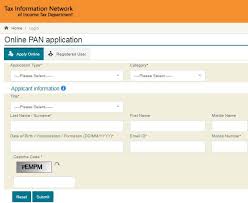
- How to Apply for PAN Card
- Process Fees & Charges
- Pros and Cons of Having a PAN Card
- Penalties for Not Having PAN
- Frequently Asked Questions
- Helpful Video Resources
- AICFA Course – EduBrains Raipur
What is PAN? – Full Form, Meaning & Importance
PAN stands for Permanent Account Number. What is PAN in simple terms? It is a unique 10-character alphanumeric identifier issued by the Income Tax Department of India under the supervision of the Central Board of Direct Taxes (CBDT). Every person — individual, company, or entity — who is liable to pay taxes in India is required to have a PAN.
Understanding what is PAN is fundamental for anyone living, working, or doing business in India. The PAN card serves as both a financial identification tool and a widely accepted photo identity proof across the country. What is PAN used for? It links all tax-related activities of a person — income, TDS, refunds, and high-value transactions — to a single identifier. This makes tax administration efficient and helps curb tax evasion.
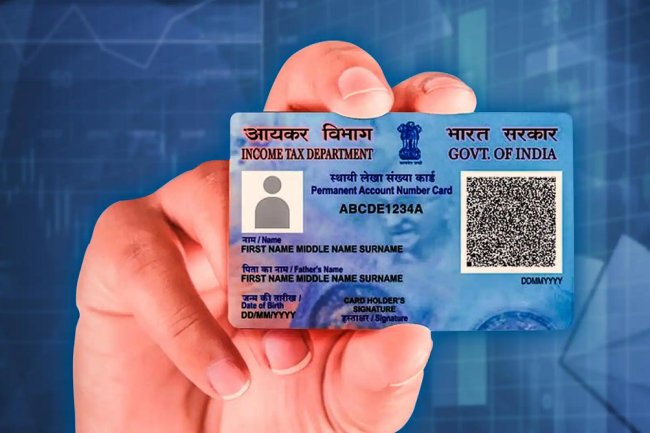
What is PAN card? The PAN card is a laminated card issued by the Income Tax Department (through authorised entities like UTIITSL and Protean e-Gov Technologies Ltd. (formerly NSDL e-Governance)) that displays the PAN number, name, date of birth (or date of incorporation for entities), photograph, and signature. Since understanding what is PAN is crucial for every taxpayer, let's dive deeper into every aspect of this vital document.
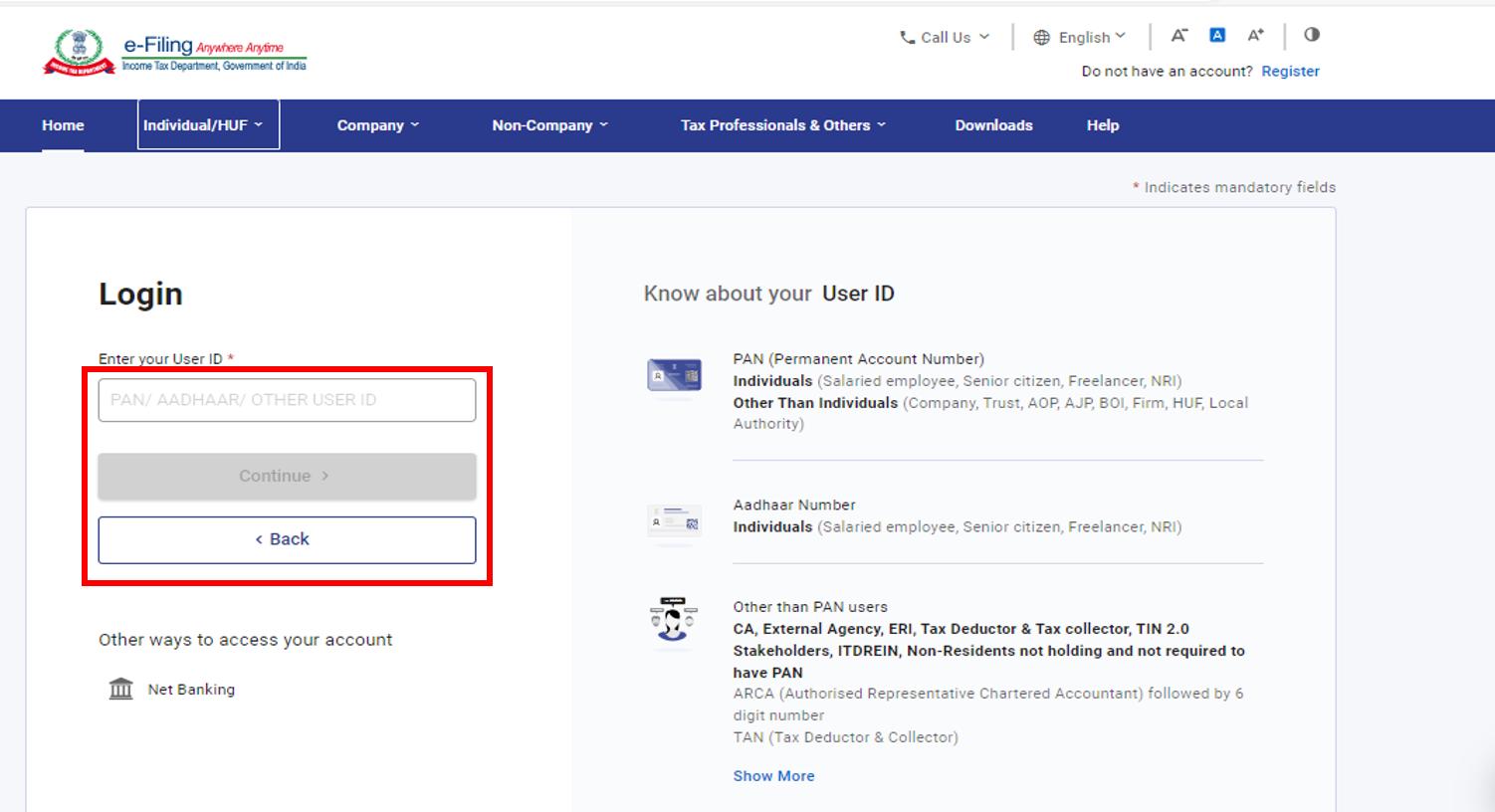
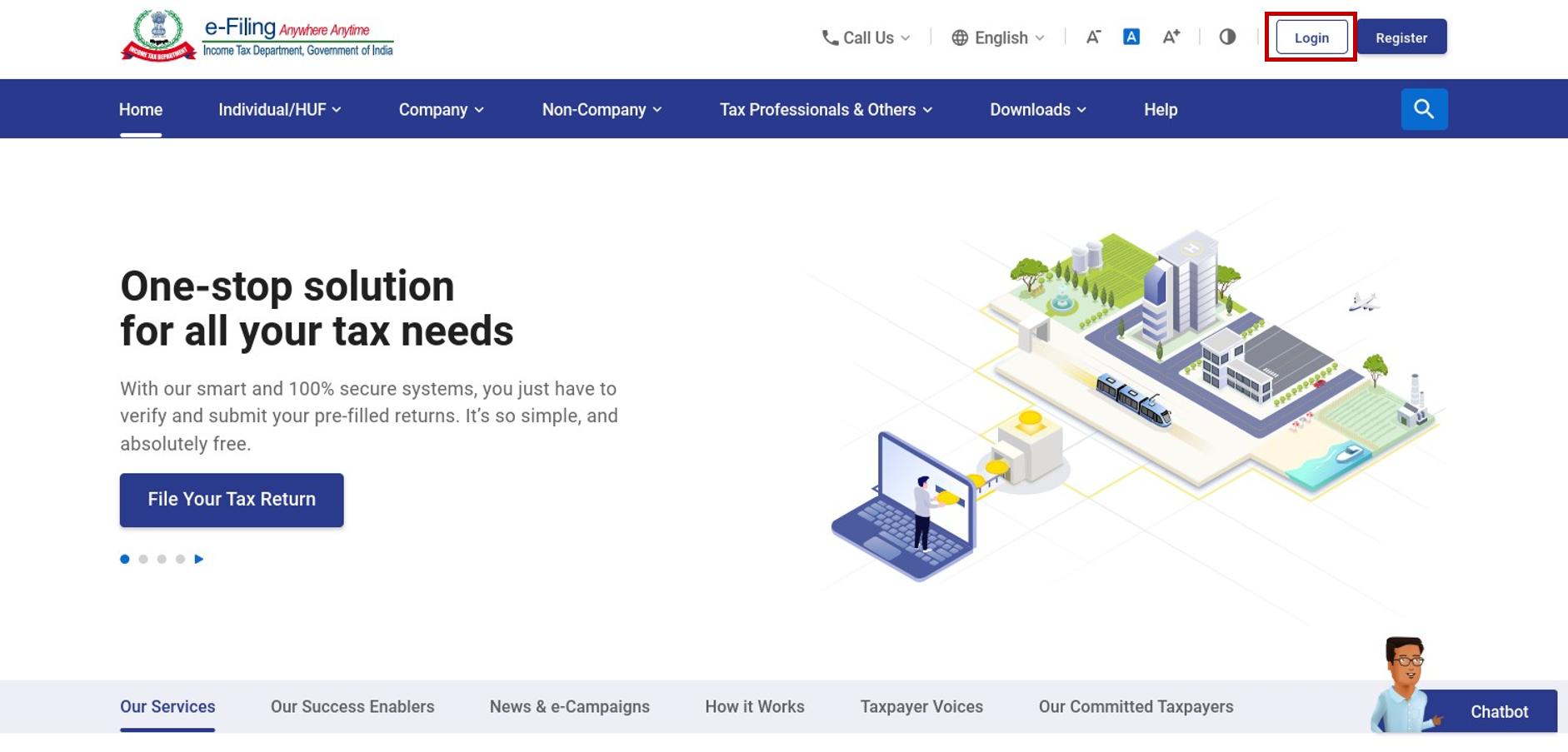
Source: Income Tax Department of India – PAN OverviewWhat is PAN – Visual Overview

History of PAN in India
Understanding what is PAN requires knowing its historical roots. The concept of a tax identification number for Indian taxpayers was introduced decades before the modern PAN system. The evolution of what is PAN today has gone through several significant stages.
Income Tax Act Enacted
The Income Tax Act, 1961 laid the legal foundation for income tax administration in India, which eventually made a unique identifier for each taxpayer necessary.
GIR Number System
The General Index Register (GIR) Number was introduced as an early taxpayer identification system. However, GIR numbers were not unique across the country and caused confusion in tax administration — prompting the need for what is PAN today.
PAN Formally Introduced
The Permanent Account Number was formally introduced under Section 139A of the Income Tax Act, replacing GIR. This is effectively the birth year of what is PAN as we know it. Initially, it was a voluntary exercise.
Mandatory for Taxpayers
PAN was made mandatory for all taxpayers filing income tax returns. NSDL (now Protean) and UTIITSL were designated as the authorised agencies for PAN issuance, making what is PAN a nationwide standardised system.
PAN Made Mandatory for Transactions
The government expanded the scope of what is PAN by making it mandatory for a wide range of financial transactions including purchase of vehicles, investment in securities, and opening bank accounts beyond ₹50,000 deposits.
Aadhaar-PAN Linking
The Supreme Court upheld the government's mandate to link Aadhaar with PAN to reduce duplicate PANs and tax evasion, adding a new dimension to what is PAN's role in India's financial identity ecosystem.
Instant e-PAN Launched
The Income Tax Department launched the Instant e-PAN facility through Aadhaar-based e-KYC, allowing a free digital PAN to be issued in minutes. This transformed what is PAN from a physical card to a digital-first identity.
PAN 2.0 Project Announced
The Indian government announced the PAN 2.0 project — a major upgrade that will issue PAN with a QR code, consolidate GSTIN, TAN, and related identifiers under a common Business Identity Number, further expanding what is PAN's scope as a unified financial identifier.
What is PAN Structure? – Combination & Value of Each Character
One of the most interesting aspects of what is PAN is its intelligently coded 10-character structure. Every character in a PAN carries specific information. Understanding what is PAN alphanumeric value helps decode who the holder is and which assessing officer handles their case.
Where A = Alphabet (A–Z) | 9 = Digit (0–9) | Positions 1–5 are alphabets, 6–9 are digits, 10th is an alphabet.
What is PAN Position-by-Position Value?
Let's break down each position and understand exactly what is PAN encoding in every character:
| Position | Type | What It Represents | Example | Category |
|---|---|---|---|---|
| 1st, 2nd, 3rd Character | AAA | Alphabetic series running from AAA to ZZZ. Represents the Jurisdictional Area Code (the AO / Ward / Circle who issues PAN). | PAN starting with DLR means Delhi region | Jurisdictional Code |
| 4th Character | A | Represents the Status / Type of taxpayer. This single letter reveals whether the PAN belongs to an individual, company, firm, trust, etc. (See Types below) | P = Individual Person | Entity Type |
| 5th Character | A | For individuals, this is the first letter of the surname. For non-individuals, it is the first letter of the entity's name. This is key for understanding what is PAN's personal relevance. | S if surname is Sharma, Singh, Saxena etc. | Name Initial |
| 6th, 7th, 8th, 9th Character | 9999 | Sequential 4-digit numeric number running from 0001 to 9999 within the same combination. These digits make each PAN unique within the same code group. | 0001, 0999, 7834, etc. | Sequential Number |
| 10th Character | A | The final alphabetic character is a check digit / alphabetic suffix used for validation and to maintain the series beyond 9999 numbers in any combination. It is algorithmically derived. | Any letter A–Z | Check Character |
What is PAN's 4th Character – The Entity Code Table
The 4th character is the most informative. Here is the complete breakdown of what is PAN's fourth position value for all taxpayer categories:
| 4th Character | Entity / Taxpayer Type | Applicable To |
|---|---|---|
| P | Person (Individual) | Individual – Any individual taxpayer, salaried or self-employed |
| C | Company | Corporate – Registered companies under Companies Act |
| H | Hindu Undivided Family (HUF) | Family Unit – HUF as a tax entity |
| F | Firm | Partnership/LLP – Partnership firms and LLPs |
| A | Association of Persons (AOP) | AOP – Cooperative societies, clubs, etc. |
| T | Trust | Trust – Charitable and religious trusts |
| B | Body of Individuals (BOI) | BOI – Associations where members are individuals |
| L | Local Authority | Govt. Local Body – Municipalities, panchayats |
| J | Artificial Juridical Person | AJP – Entities not falling in other categories |
| G | Government | Govt. Entity – Central and State Government departments |
| K | Krish (Farms) | Agricultural – Farm entities in certain jurisdictions |
Decoded PAN Example – What is PAN Telling You?
Example PAN: ABCPS1234Z
- ABC → Jurisdictional code (AO Area)
- P → Individual Person
- S → Surname begins with 'S' (e.g., Sharma, Singh)
- 1234 → Sequential number within this combination
- Z → Check character (algorithmically generated)
Different Types of PAN Card in India
What is PAN applicable to? A PAN card is not just for individuals — it covers virtually every taxpaying entity in India. Here are the different types of PAN cards issued based on the 4th character in the number, and understanding what is PAN type helps ensure the right application form and process is followed.
Individual PAN
Issued to individual Indian residents, NRIs, and foreign nationals earning income in India. What is PAN for individuals? It is your personal income tax identifier for life.
Company PAN
Issued to companies incorporated under the Companies Act 2013 or earlier acts. Required for corporate tax filings, TDS, GST, and business banking.
HUF PAN
For Hindu Undivided Family units, which are a unique Indian tax entity where joint family property is managed by a Karta. The HUF and its Karta both hold separate PANs.
Firm / LLP PAN
Issued to partnership firms and Limited Liability Partnerships (LLPs). Separate from the individual PANs of the partners.
AOP PAN
Association of Persons — co-operative societies, schools, unions, and joint ventures between persons without a formal corporate structure.
Trust PAN
Issued to registered trusts (charitable, religious, educational). Required for claiming tax exemptions under Sections 11 and 12 of the IT Act.
BOI PAN
Body of Individuals — different from AOP in that members must be individuals. Examples include certain joint ventures and estates.
Government PAN
Issued to Central and State government departments and ministries. Even government bodies must have PAN to deduct and deposit TDS correctly.
Local Authority PAN
For municipalities, panchayats, and cantonment boards that have taxable income, such as from property tax surpluses or business activities.
What is PAN – Physical vs Digital Types
Beyond the entity-based classification, what is PAN also varies by its form:
- Physical PAN Card: The original laminated card with photo, signature, and embossed details, issued by UTIITSL or Protean. This is the traditional answer to what is PAN in physical form.
- e-PAN (Digital PAN): A PDF-based digital equivalent of the physical card, issued instantly via the Income Tax e-Filing portal using Aadhaar OTP. Equally valid for most purposes.
- Reprint / Duplicate PAN: Issued when the original is lost, damaged, or the holder's details have changed. The PAN number remains the same.
Where to Use PAN – and Where NOT to Use It
A key part of understanding what is PAN is knowing when its mandatory, optional, or prohibited. The Income Tax Act specifies dozens of transactions that require quoting your PAN. Here is a definitive guide:
✅ Where You MUST Use PAN
- Filing Income Tax Returns (ITR)
- Opening a new bank account or post office savings account
- Cash deposit of ₹50,000 or more in a single day
- Purchasing mutual funds above ₹50,000
- Buying or selling property above ₹10 lakh
- Purchasing a vehicle (other than two-wheelers)
- Hotel/restaurant bills above ₹50,000 (cash)
- Foreign exchange purchase above ₹50,000
- Investment in shares, bonds, or debentures above ₹1 lakh
- Fixed deposits above ₹50,000 in a bank or post office
- Cash payment for demand drafts above ₹50,000
- Life insurance premium above ₹50,000 per year
- KYC for demat, trading, and Demat accounts
- Applying for a credit card or home loan
- GST registration and business licensing
❌ Where NOT to Use / Misuse PAN
- Do NOT share your PAN card photo on public social media
- Do NOT give PAN to unauthorised persons as identity proof where Aadhaar or Voter ID suffices
- Do NOT use another person's PAN (penal and criminal consequences apply)
- Do NOT hold multiple PANs — having more than one is a punishable offence under Section 272B
- Do NOT share PAN OTP with anyone (e-PAN verification scams are common)
- Do NOT use PAN as collateral or for signing loan guarantees on someone else's behalf
- Do NOT ignore PAN-Aadhaar linking deadline (leads to PAN becoming inoperative)
- Do NOT use PAN for transactions below mandatory threshold and then attempt tax avoidance
How to Apply for PAN Card – Step-by-Step Process
Now that you understand what is PAN and where it is used, let's look at how to apply. You can apply for what is PAN through three routes: online via the official portals, offline via physical submission, or instantly via the e-PAN facility. What is PAN application process in each mode is described below.
Method 1 – Online Application via Protean (NSDL) / UTIITSL
Visit the Official Portal
Go to Protean PAN Portal or UTIITSL PAN Portal. Click on "Apply for New PAN (Form 49A)" for Indian residents or "Form 49AA" for foreign citizens.
Fill the Application Form
Enter your personal details: full name, date of birth, father's name, gender, contact details, and address. For entities, provide incorporation details and authorised signatory information.
Upload Documents
Attach scanned copies of: Proof of Identity (Aadhaar, passport, voter ID), Proof of Address, and Proof of Date of Birth (DOB certificate, matriculation certificate). Photo and signature are also required.
Pay the Application Fee
Pay online via net banking, debit/credit card, or UPI. The fee is ₹107 for Indian address and ₹1,017 for foreign address (inclusive of GST). See fee section below for full breakup.
Submit and Note Acknowledgement Number
After successful submission you receive a 15-digit Acknowledgement Number. Use this to track the status of your application on the respective portal.
Biometric Verification (if applicable)
In cases where Aadhaar-based e-KYC is not used, you may be required to visit the nearest PAN centre for biometric verification or send physical documents by post.
Receive PAN Card
The physical PAN card is dispatched within 15–20 working days to your registered address. The e-PAN is sent to your registered email within 48 hours of processing.
Method 2 – Instant e-PAN via Income Tax Portal (Free)
The Instant e-PAN facility issues a free digital PAN within minutes using your Aadhaar number. Requirements: a valid Aadhaar linked to your mobile number, and no existing PAN.
- Visit incometax.gov.in → Quick Links → Instant e-PAN
- Enter your Aadhaar number and verify OTP
- Validate personal details fetched from Aadhaar UIDAI records
- Submit — your e-PAN PDF is sent to your registered email and can be downloaded immediately
Method 3 – Offline / Physical Application
Download Form 49A from the NSDL or UTIITSL website. Fill it manually, attach self-attested photocopies of identity proof, address proof, and DOB proof. Submit (along with demand draft for the fee) at the nearest PAN application centre or designated post office.
Documents Required for PAN Application
| Document Category | Acceptable Documents |
|---|---|
| Proof of Identity | Aadhaar Card, Passport, Voter ID, Driving Licence, NREGA Job Card, Bank Certificate with photograph |
| Proof of Address | Aadhaar Card, Passport, Utility Bills (not older than 3 months), Bank Statement, Post Office Passbook, Rent Agreement |
| Proof of Date of Birth | Birth Certificate, Matriculation Certificate, Aadhaar Card, Passport, School Leaving Certificate |
| For Minors | Parent's/Guardian's PAN & identity proof, along with the minor's birth certificate |
| For Companies/Firms | Certificate of Incorporation / Partnership Deed / Trust Deed, along with identity and address proof of the entity |
PAN Card Application Fees & Process Expenses
Understanding what is PAN's cost structure helps you budget appropriately. Here is a complete breakdown of fees depending on applicant type and application mode:
| Service / Type | India (Domestic) Fee | Foreign Address Fee | Mode |
|---|---|---|---|
| New PAN Card (Physical) – Individual / HUF / Firm | ₹107 (incl. GST) | ₹1,017 (incl. GST) | Protean / UTIITSL Online & Offline |
| New PAN Card (Physical) – Company / Trust / AOP | ₹107 (incl. GST) | ₹1,017 (incl. GST) | Protean / UTIITSL Online & Offline |
| Reprint / Correction / Duplicate PAN | ₹107 (incl. GST) | ₹1,017 (incl. GST) | Both Portals |
| Instant e-PAN (Digital Only) | ₹0 (Free) | Not applicable | Income Tax Portal (Aadhaar-based) |
| e-PAN via Protean (PDF) | ₹8.26 + GST | – | Protean Portal |
| 💡 Fee breakup: ₹93 processing fee + ₹14 GST (18%) = ₹107 for domestic applications. Fees are subject to revision — always verify on official portals before applying. | |||
Additional Costs to Consider
- Professional/CA assistance: ₹500–₹1,500 if you engage a CA or tax consultant for corporate PAN applications
- Document attestation: ₹50–₹200 for notary or gazetted officer attestation if required
- Postal charges: ₹30–₹100 if sending documents by registered post for offline applications
- Reprinting for corrections: Same ₹107 fee applies if you need to correct name, DOB, or address on an existing PAN card
⚠️ Late Linking / Inoperative PAN — Costs
- PAN linked with Aadhaar after the deadline: ₹1,000 penalty fee for reactivation
- TDS deducted at higher rate (20% instead of applicable slab) when PAN is quoted but found inoperative
- Refunds not processed when PAN is inoperative
Pros and Cons of Having a PAN Card
While understanding what is PAN makes it clear it is largely a necessity rather than a choice for taxpayers, there are broader advantages and a few concerns worth considering for different segments of the population.
✅ Advantages (Pros)
- Universal Financial Identity: What is PAN but your single financial identity? It is accepted as valid KYC across all banks, NBFCs, and financial institutions.
- Tax Filing Made Easy: Your PAN links all TDS credits, advance tax, and self-assessment tax automatically in Form 26AS, simplifying ITR filing.
- Investment Access: Required for opening demat accounts, investing in mutual funds, bonds, IPOs, and the stock market. Without PAN, these doors remain closed.
- Loan & Credit Access: Home loans, personal loans, and credit cards require PAN. It helps lenders verify tax history and creditworthiness.
- International Transactions: Mandatory for FEMA-governed foreign remittances and foreign exchange transactions above ₹50,000.
- Business Registration: Required for GST registration, MSME registration, import/export code (IEC), and company incorporation.
- Income Tax Refunds: Tax refunds from the IT Department are processed only to PAN-linked bank accounts.
- Lifetime Validity: Unlike Aadhaar or voter ID, what is PAN once issued remains valid for a lifetime without renewal (unless declared inoperative).
❌ Disadvantages (Cons)
- Privacy Risk: Since PAN is widely used as KYC, its misuse is a real risk. Fraudsters can use a stolen PAN for identity theft or to register shell entities.
- Mandatory Linking Burden: Constant Aadhaar-PAN linking requirements, with penalties for failure, put pressure on those without updated Aadhaar or mobile links.
- Not Sufficient Alone: While useful as identity proof, PAN is no longer always accepted as standalone KYC — Aadhaar is often required in addition.
- Multiple PAN Liability: If you accidentally got issued two PANs (common in pre-digital era), you are legally obligated to surrender the duplicate — a cumbersome process.
- Data Concerns: With PAN linked to bank accounts, investments, GST, and Aadhaar, the government has comprehensive financial visibility into every taxpayer, raising data privacy concerns.
- Card Loss Issues: Losing the physical PAN card and applying for a reprint involves fees, documentation, and waiting time — inconvenient for low-income or rural applicants.
Penalties for Not Having PAN or Misusing It
What is PAN's legal weight? The Income Tax Act prescribes serious penalties for non-compliance related to PAN. Understanding these consequences reinforces why what is PAN is non-negotiable for eligible taxpayers.
📋 Section 272B – Penalty for PAN Non-Compliance
- Not applying for PAN: Penalty of ₹10,000 under Section 272B for eligible persons who fail to apply
- Quoting wrong or false PAN: ₹10,000 penalty per instance of citing an incorrect PAN
- Holding more than one PAN: ₹10,000 penalty; the duplicate PAN must be surrendered to the Assessing Officer
- Not quoting PAN in mandatory transactions: The transaction may be rejected, or TDS deducted at the maximum rate
- Inoperative PAN (not linked with Aadhaar): TDS at 20% instead of the applicable rate; refunds held back; reactivation fee of ₹1,000
- Using someone else's PAN fraudulently: May attract prosecution under Section 277 and 278 of the IT Act, including imprisonment up to 7 years
What is PAN's role in TDS? If you do not provide PAN to a deductor (employer, bank, or buyer), Tax Deducted at Source (TDS) will be applied at 20% or the applicable rate, whichever is higher under Section 206AA. This can significantly reduce your net income and requires you to claim excess TDS via your ITR filing.
Frequently Asked Questions – What is PAN?
PAN full form is Permanent Account Number. It is issued by the Income Tax Department of India under the Central Board of Direct Taxes (CBDT), through authorised service providers Protean e-Gov Technologies Ltd. (formerly NSDL) and UTIITSL.
Yes. A minor can have a PAN card in India. The application is made on their behalf by a parent or guardian. The minor's PAN is often needed for investments made in their name, for opening a bank account, or if they have taxable income. The PAN form is Form 49A for minors as well, with the parent/guardian's details filled in alongside.
A PAN card has lifetime validity and does not expire. However, it can become inoperative if not linked with Aadhaar by the government-notified deadline. Once inoperative, the PAN can be reactivated upon payment of a penalty fee of ₹1,000 and completing the Aadhaar linking process.
PAN (Permanent Account Number) is for identifying taxpayers — individuals, companies, and entities — for income tax purposes. TAN (Tax Deduction and Collection Account Number) is issued to entities that are required to deduct or collect tax at source (TDS/TCS). A business must have both PAN and TAN. An individual taxpayer needs only PAN (not TAN, unless they are an employer deducting TDS from salaries).
PAN 2.0 is the government's upgraded PAN system announced in 2023-24 that will issue a new PAN card with a dynamic QR code, consolidate PAN, TAN, and eventually GSTIN under a common Business Identity Number framework. Existing PAN holders will be issued upgraded cards with QR codes on request, free of cost. The existing PAN number will remain unchanged.
Yes. NRIs (Non-Resident Indians) and foreign nationals with taxable income in India can apply for PAN using Form 49A (for Indian citizens/NRIs) or Form 49AA (for foreign nationals). The fee is ₹1,017 (including GST) for applications with a foreign address.
The PAN card is a widely accepted government-issued photo identity document in India. It is accepted for bank account opening, hotel check-ins, purchasing SIM cards, booking train/air tickets, and various other identity verification requirements. However, it does not serve as address proof (it carries no address on the physical card).
You can verify a PAN on the Income Tax e-Filing portal under the 'Verify Your PAN Details' service. Enter the PAN number, name, DOB, and mobile number. You can also verify PAN status through the Protean portal or UTIITSL website. Businesses can use the TRACES portal to verify PAN for TDS purposes.
Video Resources – What is PAN Explained
Watch these authoritative and informative videos to better understand what is PAN, how to apply, and how to manage your PAN card effectively. All links are to official or highly reliable sources.


Trusted External Links on What is PAN
AICFA Course
Artificial Intelligence in Chartered Financial Analysis
(Advanced Integrated Course in Finance & Accounts)
If understanding what is PAN sparked your curiosity about Indian taxation, finance, and financial compliance — take it to the next level with the AICFA course at EduBrains, Raipur. AICFA (Artificial Intelligence in Chartered Financial Analysis / Advanced Integrated Course in Finance & Accounts) is a cutting-edge program designed for finance professionals, tax practitioners, accountants, and students who want to master modern financial tools with AI capabilities.
From deep understanding of what is PAN, TAN, GST, and Income Tax to advanced financial analysis and AI-powered accounting tools — AICFA at EduBrains covers it all with industry-experienced faculty and 100% placement support.
- Comprehensive coverage of Income Tax, TDS, PAN/TAN compliance
- GST filing, return management & e-invoicing
- AI-based accounting tools and data analytics
- Tally Prime, MS Excel (Advanced), QuickBooks integration
- Live projects, case studies & practical assignments
- 100% placement assistance with HR network
- Industry-recognised certificate on completion
📚 AICFA Course Modules
- Fundamentals of Accounting & Bookkeeping
- What is PAN, TAN, TIN & Tax IDs
- Income Tax Filing & ITR Preparation
- TDS / TCS Computation & Compliance
- GST Registration, Returns & Reconciliation
- AI Tools for Financial Analysis
- MIS Reporting & Dashboard Creation
- Payroll Management & PF/ESI
- Advanced Tally Prime & ERP Systems
- Interview Preparation & Job Support
📍 Institute Location
EduBrains — Raipur, Chhattisgarh, India
🌐 www.edubrains.in
Disclaimer: This blog is for educational purposes only. Information on what is PAN, fees, and procedures is based on publicly available data as of June 2026. Tax laws and fees are subject to change. Always verify current information on official portals: incometax.gov.in, Protean (NSDL), and UTIITSL. Consult a qualified Chartered Accountant or tax professional for personalised advice.