Introduction to GST
GST (Goods and Services Tax) is an indirect tax applied on the supply of goods and services. It replaced many indirect taxes such as VAT, sales tax, excise duty, service tax, octroi, and entry tax.
Introduced on 1 July 2017, it is considered the largest tax reform in India since independence.
The tax is destination-based, meaning revenue goes to the state where goods are consumed. Example: If a product is made in Gujarat but sold in Chhattisgarh, the revenue goes to Chhattisgarh.
What is GST? - Complete Guide
GST (Goods and Services Tax) is a destination-based indirect tax that unified the Indian market under the philosophy of "One Nation, One Tax." Launched on July 1, 2017, it replaced a complex web of old taxes like VAT and Excise.
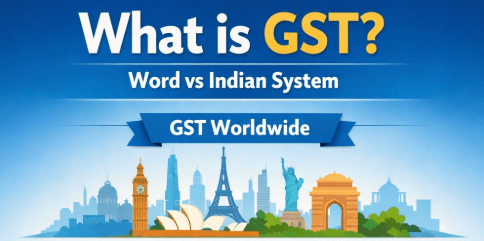
If a smartphone is manufactured in Gujarat but bought by a student in Chhattisgarh, the tax revenue is earned by Chhattisgarh. This ensures the consuming state benefits from the transaction.
Global GST History
France pioneered the VAT/GST system in 1954. Since then, the model has been adopted by over 160 countries to bring transparency to their tax structures.
| Country | Adopted | System | Standard Rate |
|---|---|---|---|
| France | 1954 | VAT | 20% |
| Germany | 1968 | VAT | 19% |
| UK | 1973 | VAT | 20% |
| New Zealand | 1986 | GST | 15% |
| Canada | 1991 | GST | 5%* |
| Singapore | 1994 | GST | 9% |
| Australia | 2000 | GST | 10% |
| India | 2017 | GST | 18%* |
Most countries use VAT (Value Added Tax) which works similarly to GST.
If the GST rate is 10%, the entire 10% tax collected from a sale is remitted directly to the Central Government. No state-level tax share occurs during the transaction.
Forms of GST in Major Countries
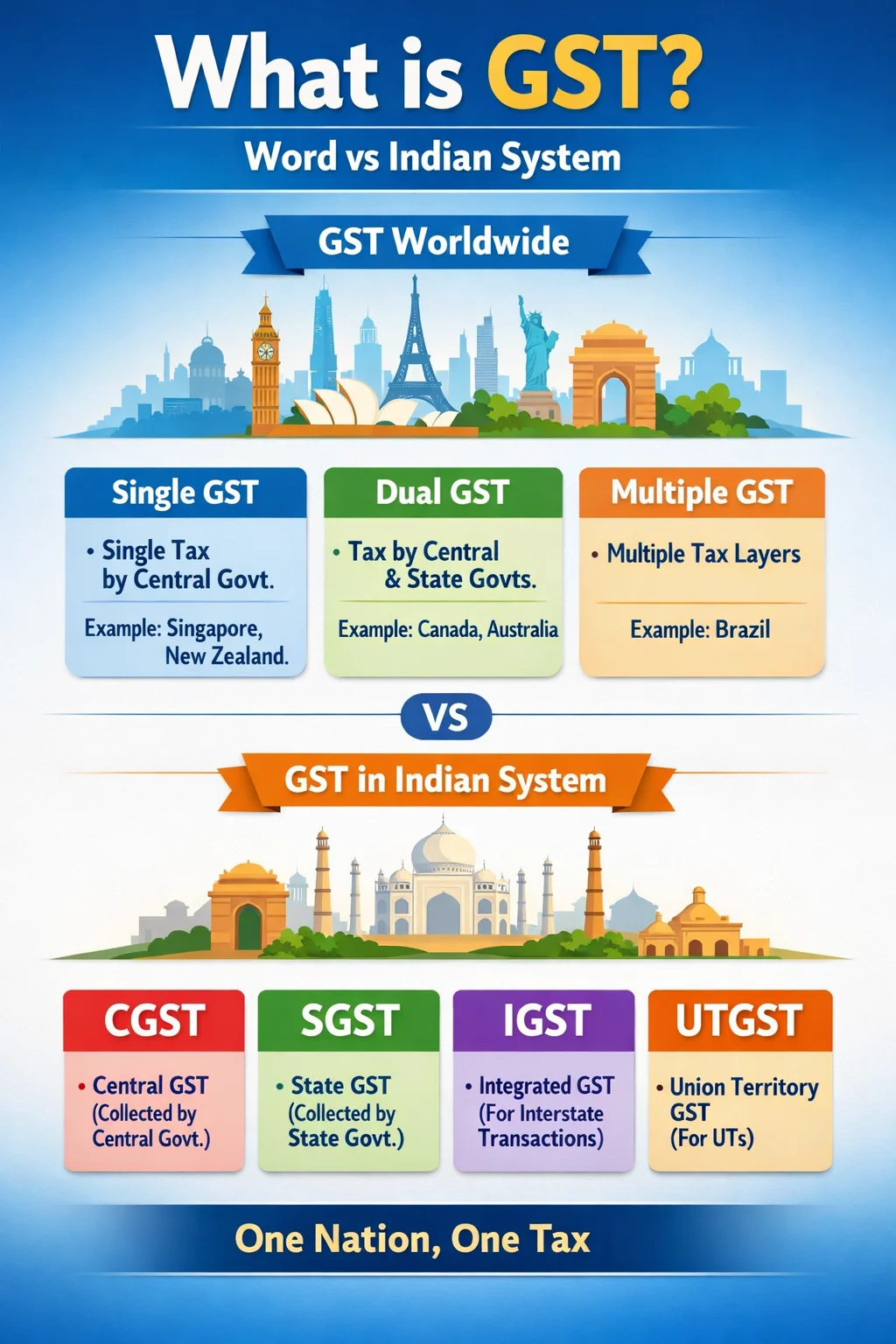
1. Single GST SystemWe are talking here about What is GST? - Complete Guide. So, In a Single GST System, a unified tax is applied nationwide. There is only one taxing authority, ensuring that the central government collects all the revenue directly from a single levy on goods and services.
This structure is typically used in unitary countries where the central government has complete control over national fiscal policy.
- Singapore
- Australia
- New Zealand
In this model, the tax is divided equally between the Central and State governments.
Forms of GST
2. Dual GST SystemIn a Dual GST System, both the central and state governments concurrently collect tax on a single transaction. This model is ideal for Federal Countries where power is shared between the center and the states.
This ensures that both levels of government have an independent source of revenue while maintaining a unified tax base across the country.
- India
- Canada
In countries like Brazil, taxes are collected by three different levels of government, making it one of the most complex tax systems globally.
Forms of GST
3. Multiple GST SystemA Multiple GST System is the most complex form of indirect taxation. In this model, tax is collected at multiple levels of government, including federal, state, and municipal (local) authorities.
Unlike the Dual system where only two entities are involved, the Multiple system requires businesses to comply with various local laws, often leading to different rates and rules within the same country.
- Brazil
Types of GST Worldwide
| Type | Description | Countries |
|---|---|---|
| Single GST | Only one central tax authority collects the revenue. | Singapore, Australia, New Zealand |
| Dual GST | Both Central and State governments collect tax concurrently. | India, Canada |
| Multiple GST | Tax is collected by multiple levels (Federal, State, Municipal). | Brazil |
Key Benefits of the GST Model
1. One Unified Tax System
GST replaced a fragmented system of multiple indirect taxes. It streamlined the structure, ensuring a consistent tax rate nationwide.
- VAT & Excise Duty
- Service & Entry Tax
- Luxury & Entertainment Tax
2. Removal of Cascading Effect
By introducing Input Tax Credit, GST eliminates "tax on tax." Businesses can claim credit for taxes paid on inputs, stopping tax duplication throughout the supply chain.
3. Easier Interstate Trade
The removal of local taxes like Octroi has made logistics far more efficient. Reduced border checks speed up transportation, lowering logistical costs for businesses.
4. Better Compliance
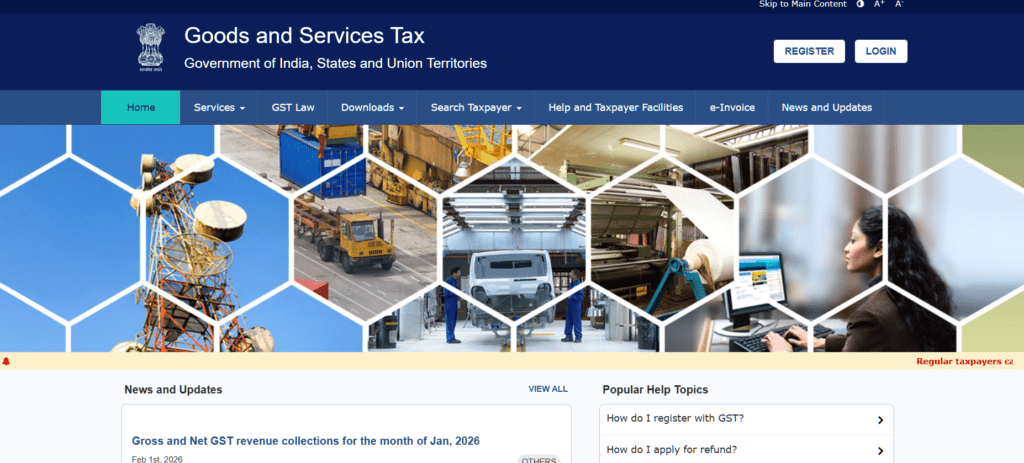
The GST portal is a transparent, online ecosystem. Requiring digital records and online invoice uploading significantly reduces tax evasion opportunities and simplifies filing.
5. Increased Govt. Revenue
A wider tax base and formalization of the economy have led to improved collection rates. More businesses are now registered under GST, contributing to national growth.
The 17-Year Journey of GST in India
2000
The concept of GST was first introduced by the Vajpayee Government.
2003
The Kelkar Committee formally recommended a comprehensive GST system.
2006
Union Budget proposed GST implementation by April 2010.
2011
Constitutional Amendment Bill was introduced to enable GST collection.
2016
The GST Amendment Bill was passed in both houses of Parliament.
2017
Historic Implementation: GST launched across India on July 1st.
Tax System in India Before GST
Central Taxes
- Excise Duty: Charged on the manufacture of goods within the country.
- Service Tax: Levied by the Centre on the providers of various services.
- Customs Duty: Imposed on goods imported into or exported out of India.
- Central Sales Tax: Applied on the interstate sale of goods across state borders.
State Taxes
- VAT: A multi-stage tax on the sale of goods within a specific state.
- Entry Tax: Charged on goods entering a state for consumption or use.
- Luxury Tax: Levied on services relating to hotels, resorts, and high-end stays.
- Entertainment Tax: Applied on movie tickets, commercial shows, and events.
- Purchase Tax: Imposed on the purchase of certain goods by a dealer.
Structure
Complex & Fragmented
Compliance
High Legal Burden
Effect
Cascading Multiple Tax
Why GST Was Delayed
It took 17 years to navigate the complex landscape of Indian federalism.
Political Disagreements
Implementing a nationwide tax required consensus among various political parties across multiple terms, leading to years of debates on tax rates and structures.
State Revenue Concerns
Manufacturing states (like Gujarat and Maharashtra) feared they would lose significant revenue since GST is a destination-based tax rather than an origin-based one.
Constitutional Requirements
Because the Constitution strictly divided taxing powers between the Centre and States, a major Amendment was required to allow both to tax the same transaction.
Technical Infrastructure
India lacked a unified IT backbone capable of processing billions of invoices in real-time, which was a fundamental prerequisite for a transparent GST system.
To solve the technical gap, the Goods and Services Tax Network was created as a world-class IT platform.
Invoices Monthly
Governance of GST
The Pillars of India's Indirect Tax Administration
Ministry of Finance
The Ministry of Finance is the administrative body of the Government of India that manages the taxation policies and national budget.
- ✓ National Level Implementation
- ✓ Managed by Department of Revenue
- ✓ Fiscal Policy Formulation
CBIC
The Central Board of Indirect Taxes and Customs (CBIC) is the tactical force that handles the execution of GST laws across India.
- ✓ Tax Collection & Oversight
- ✓ Field Formations & Enforcement
- ✓ Drafting Policy Procedures
GST Council
The joint forum of Centre and States that makes the most critical decisions regarding GST rates and rules.
- ✓ Decisions on Tax Slabs (5%, 12%, 18%, 28%)
- ✓ Led by Union Finance Minister
- ✓ Representatives from all States
GST Network (GSTN)
A sophisticated IT platform that acts as the technology engine for the entire nation's tax processes.
- ✓ Registration & Return Filing
- ✓ Invoice Matching Technology
- ✓ Secure Payment Processing
Important GST Terms
To master GST, you must understand the core identifiers that make the digital tax system work.
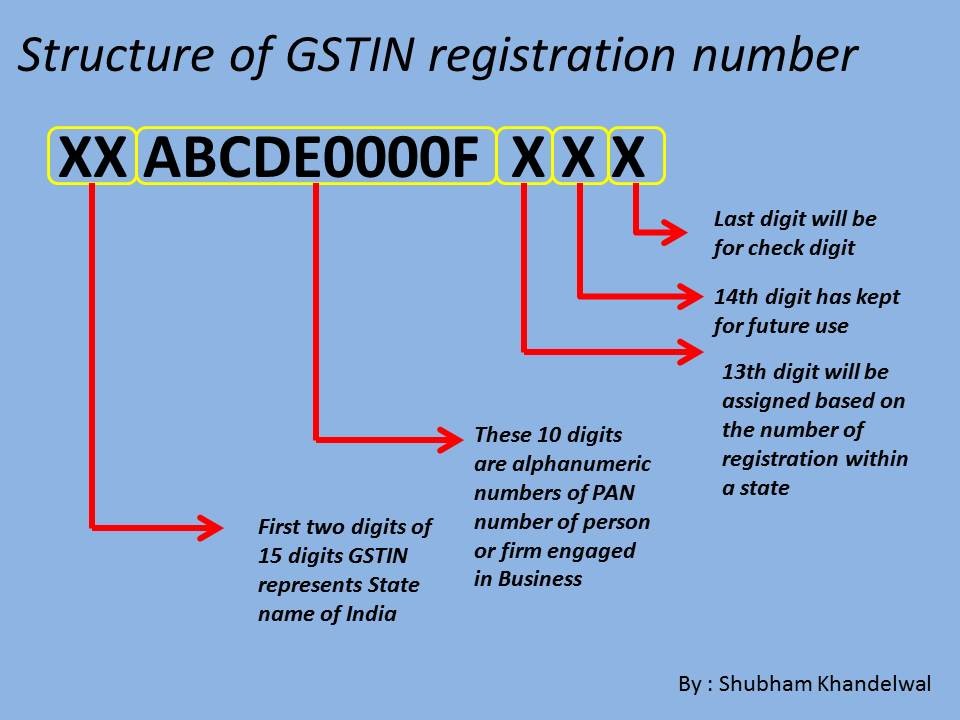
Types of GST in India
CGST
Collected by the Central Government on Intrastate sales (within the same state).
SGST
Collected by the State Government on Intrastate sales (within the same state).
IGST
Applied on Interstate sales (between two states). Collected by Centre and shared with states.
UTGST
Applicable in Union Territories without legislature (e.g., Ladakh, Lakshadweep).
How the Math Works
Imagine a mobile phone worth ₹10,000 with an 18% GST rate.
Intrastate (Within Raipur): Tax is split into CGST (9%) and SGST (9%).
Interstate (Raipur to Mumbai): A single IGST (18%) is applied.
Visualizing the tax distribution between State & Centre.
GST Jurisdiction Analyzer
Select the supply states to determine the tax structure
-
-
-
GST Rate Quiz Master
Pick an item and guess the correct tax slab!
GST Slab Rates
• खुला अनाज & दालें
• दूध, दही, लस्सी
• नमक & किताबें
• खाने का तेल (Oil)
• जीवन रक्षक दवाएं
• पैक्ड पनीर
• मोबाइल फोन
• बादाम और काजू
• फलों का जूस
• कंप्यूटर & मॉनिटर
• बैंकिंग & IT सर्विस
• आइसक्रीम
• एयर कंडीशनर (AC)
• तंबाकू & सिगरेट
• कोल्ड ड्रिंक्स (Soda)
Quick Tip
अधिकांश व्यावसायिक सेवाएँ 18% में आती हैं। विलासिता की वस्तुओं पर 28% के साथ **Cess** भी देना होता है।
GST 2.0
The Future of One Nation, One Tax – Simplified & Automated
Fewer Tax Slabs
0, 5, 12, 18, 28% ⬇ Convergence ⬇ 3 Major Slabs
GSTN Upgrade
Faster return processing and AI-driven invoice matching for seamless credits.
AUTOMATIONDigital First
Mandatory e-invoicing creates a transparent digital trail for every transaction.
TRANSPARENCYAI Monitoring
Government analytics to detect tax fraud in real-time, protecting honest taxpayers.
SECURITYEase of Business
Reduced paperwork and single-window compliance for MSMEs and startups.
GROWTHGlobal Standard
Aligning Indian GST with global best practices for ease of export and trade.
TRADEIs GST Better Than VAT?
A Professional Comparison of India's Tax Revolution
MONTHLY COLLECTION
₹1.6L Cr+
Consistently RisingDIGITAL FOOTPRINT
100%
E-Invoicing StandardGST 2.0: Challenges & Global Vision
Analyzing current obstacles and benchmarking against world-class taxation systems
9% Rate
Single Slab Efficiency
10% Rate
Seamless IT Integration
15% Rate
Broad-based Low Tax
5 Slabs
Most Comprehensive System
Multiple Tax Slabs
0%, 5%, 12%, 18%, 28% स्लैब के कारण व्यापारियों को वर्गीकरण (Classification) में मुश्किल होती है।
Compliance Burden
छोटे व्यवसायों (MSMEs) के लिए मासिक रिटर्न फाइलिंग और जटिल डेटा मिलान थकाऊ है।
Exclusion of Fuel
पेट्रोल और डीजल का GST से बाहर होना पूरी सप्लाई चेन में 'Credit Break' का कारण बनता है।
Slab Convergence
12% और 18% को मिलाकर एक मानक (Standard) दर बनाई जाए ताकि सिस्टम सरल हो सके।
Unified IT Support
जीएसटी पोर्टल (GSTN) की क्षमता बढ़ाई जाए ताकि पीक ऑवर्स में सिस्टम हैंग न हो।
Audit Automation
AI-आधारित रियल-टाइम मॉनिटरिंग से टैक्स चोरी को बिना व्यापारियों को परेशान किए पकड़ा जा सकता है।
What is GST? Complete Guide & Conclusion
एक नई कर व्यवस्था की ओर भारत का सफल कदम
Unified Market
एक राष्ट्र, एक कर के माध्यम से भारत को एक एकीकृत राष्ट्रीय बाजार में बदल दिया गया है।
No Cascading
टैक्स पर टैक्स (Cascading Effect) को खत्म कर वस्तुओं की लागत को नियंत्रित किया गया है।
Digital Growth
पूरी तरह से टेक्नोलॉजी-आधारित ढांचा जिसने पारदर्शिता और राजस्व संग्रह को बढ़ाया है।
हालांकि कुछ चुनौतियाँ अभी भी बनी हुई हैं, लेकिन GST 2.0 के तहत चल रहे निरंतर सुधार इस प्रणाली को और अधिक सरल, कुशल और व्यापार के अनुकूल (Business-friendly) बनाने का लक्ष्य रखते हैं। यदि आप व्यापार की दुनिया में कदम रख रहे हैं, तो यह What is GST? Complete guide आपको यह समझने में मदद करेगी कि कैसे यह पारदर्शी डिजिटल प्रणाली भारतीय अर्थव्यवस्था की रीढ़ बन चुकी है।
Edu Brains
Certification and Course Recognition
Edu Brains
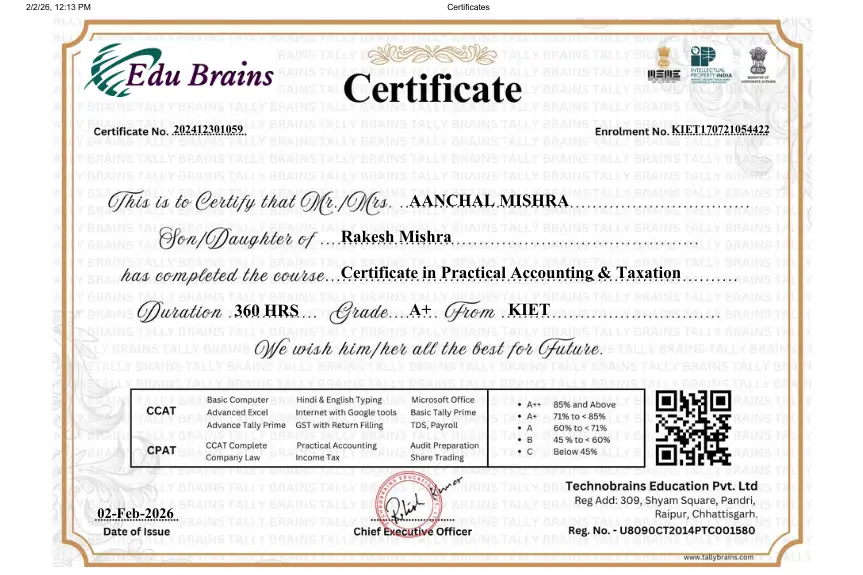
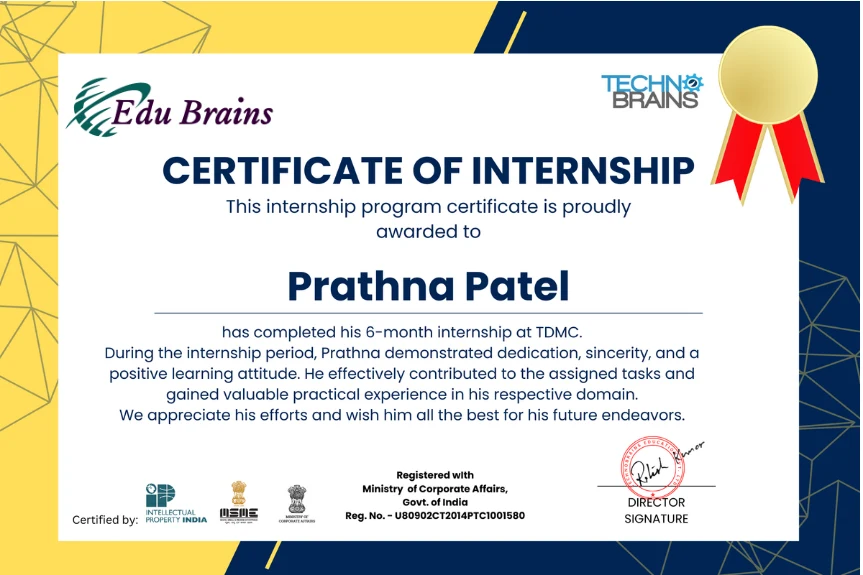
Certification plays an important role when applying for jobs. "A recognized certificate helps employers understand a candidate’s practical skills and training background. Professional institutes usually conduct assessments or practical tests before issuing certificates to ensure students have gained real knowledge and experience.
Final Conclusion
How Edu Brains Helps You Achieve Your Goal.
Whether you are from Commerce or Non-Commerce background, Edu Brains starts with understanding you — your previous knowledge, your strengths, and your career goals.
Every journey begins with proper counselling and assessment. After evaluating your current level, we design a structured learning plan tailored specifically for your dream job.
- ✔ Skill gap analysis
- ✔ Goal-based training roadmap
- ✔ Practical accounting & GST exposure
- ✔ Software mastery (Tally, GST, Taxation)
- ✔ Interview & placement preparation
At Edu Brains, we don’t just teach subjects — we build confidence, capability, and complete job readiness.
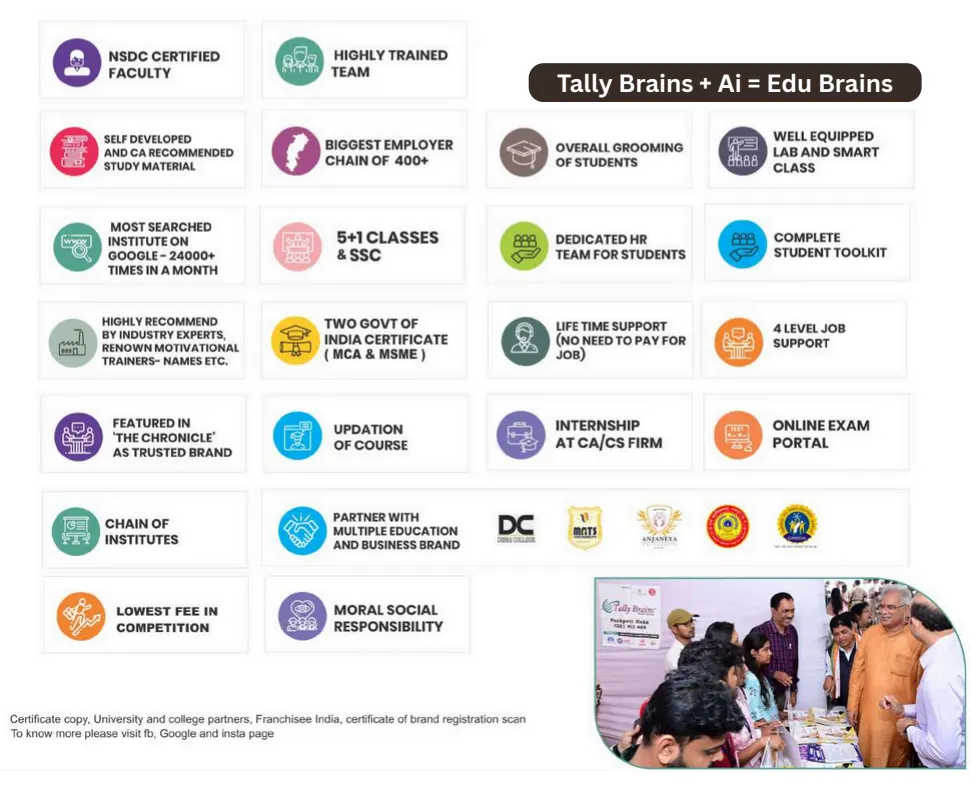
If any skill or institute are unable to provide job orientation and support, they are just a waste of time and money. Accounts sometimes provide more opportunities than accounting in respect of salary and firms. But the fact is that accounting has a huge scope because of the large number of jobs available in all types of businesses whether related to banking or finance or not.
With the right professional training like CPAT and proper practical exposure, you can select any career in accounting or finance.
Your interest will decide your future and job. Your skills, training, and mindset do. There are many accounting courses available in Raipur.
And if you are still confused, don’t worry. We are here for counselling — feel free to contact us anytime.

Why Edu Brains Is the Right Platform?
Edu Brains sirf ek institute nahi hai. Yeh ek skill-building ecosystem hai jo Accounting - Taxation & Finance me real job-ready training deta hai.
- ✔ 14+ Years of Industry Experience
- ✔ Founded by Senior Accounts Manager – Ritesh Khetan
- ✔ Personal Skill Assessment & Career Counselling
- ✔ Tally, GST, Income Tax & Practical Exposure
- ✔ Interview Preparation & Placement Support
Hum kabhi degree nahi dekhte. Hum potential dekhte hain. Aur isi approach ki wajah se hamare students aaj Finance Manager, Accounts Manager aur senior roles me kaam kar rahe hain.
Agar aap sach me jaana chahte ho Best Job Guaranteed Accounting Course in Raipur? toh answer clear hai — Skill-based Professional Training. Aur woh Edu Brains deta hai.